Cook Smarter, Waste Less: Bulk-Powered Meal Prep

Today we’re diving into waste-free meal prep using bulk-bought ingredients, turning value-sized staples into flavorful, flexible meals with near-zero trash. Expect practical planning moves, storage strategies, and tasty reinventions that help you protect your budget, schedule, and the planet—while still eating joyfully every single day.

Plan Once, Eat All Week

A week succeeds before the first pot warms. Start by mapping what you already own, then plan sensible portions, cook times, and crossovers so ingredients stretch across meals. Build in leftovers on purpose, schedule quick pivots, and protect your energy with realistic prep windows and stress-free buffer dishes.

Pantry mapping that actually works

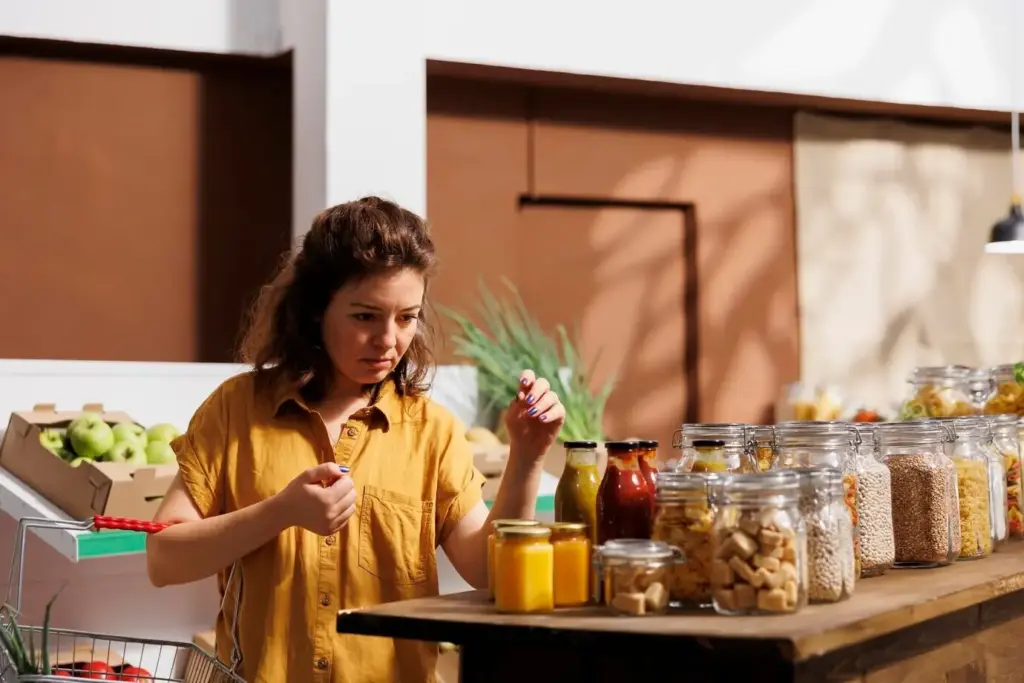
List every bulk staple you have, noting quantities and expiration dates, then group them by cook time and versatility. Highlight flexible anchors like rice, lentils, oats, and frozen vegetables. This clarity stops duplicate purchases, reveals easy combinations, and unlocks fast, waste-free decisions on busy midweek evenings.

Budget forecasting without spreadsheets

Use a simple per-serving target to guide choices, then match bulk purchases to multi-meal plans. Account for snacks and beverages so surprises don’t derail you. Set aside a small contingency for fresh herbs or citrus, since tiny bright additions amplify value and prevent boredom-driven food waste.

Unit-price math, made friendly

Check price per gram or ounce, then calculate servings the bag realistically supports given your plan. A larger package only saves money if you’ll use it on time. Remember storage costs, freezer space, and transport weight. Smart math makes big buys practical, not impulsive or wasteful.

Choose versatile staples over niche finds

Favor building blocks that shape many meals: brown rice, quinoa, rolled oats, lentils, chickpeas, peanut butter, tomato paste, frozen spinach, and yogurt. These ingredients adapt across cuisines, respond to different spices, and balance macros. Versatility keeps flavor fresh, simplifies shopping, and ensures that nothing lingers forgotten.

Storage That Protects Flavor and Planet

Containers that earn their keep

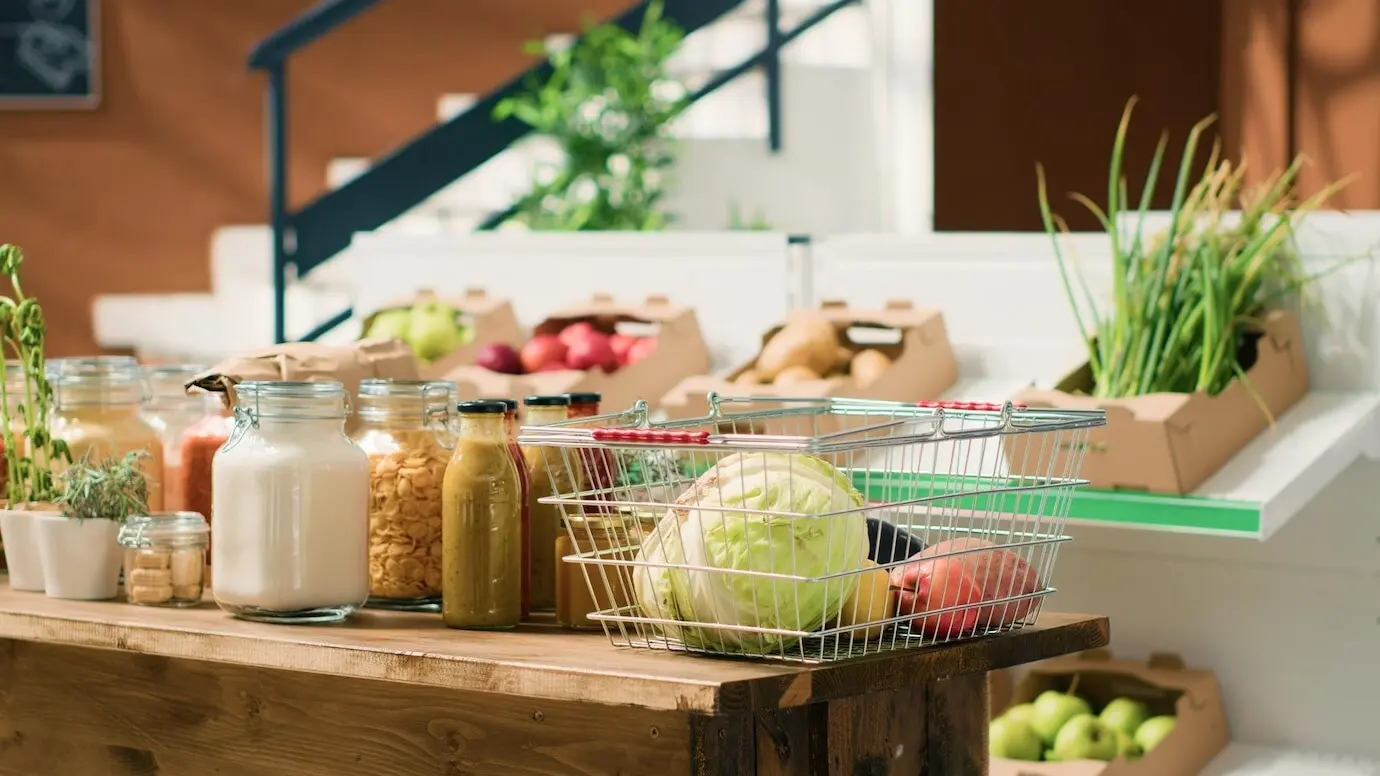
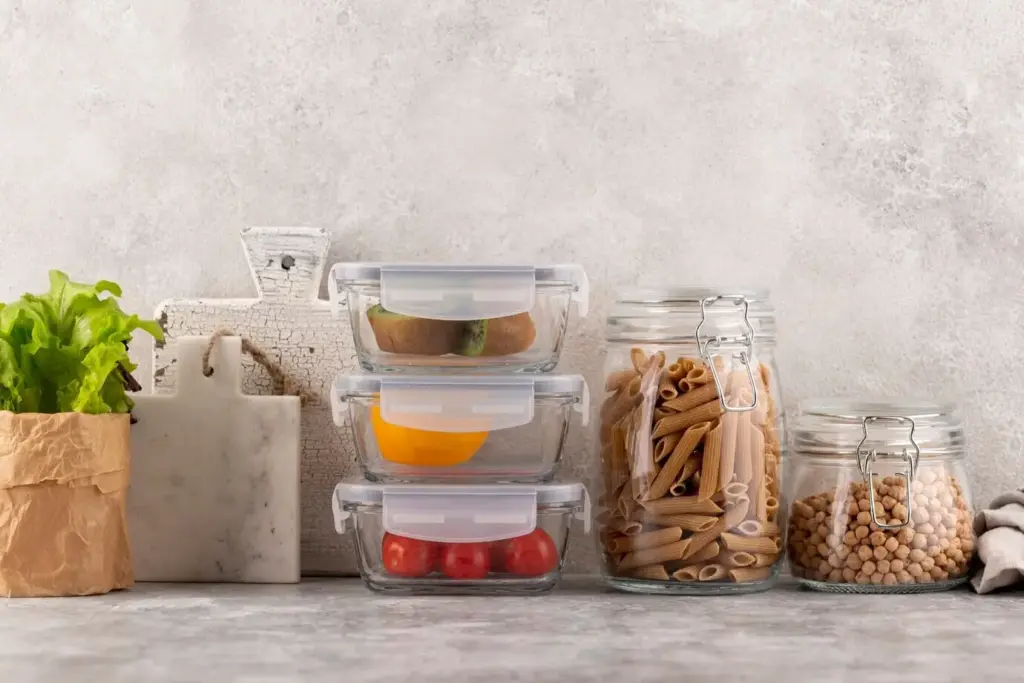
Prioritize glass rectangles and sturdy deli tubs for stackability and visibility. Silicone bags handle soups and marinated proteins beautifully. Invest in a few freezer-safe, oven-friendly pieces to minimize transfers. Durable containers reduce cracks, odors, and lost lids, and they encourage a weekly rhythm that prevents forgotten leftovers.

Labels that eliminate guesswork

Write the item, date, and reheat notes on painter’s tape or reusable tags. Add any allergen cues and the intended dish number in your weekly plan. Clear labeling stops the dreaded mystery container and guides first-in, first-out habits, keeping meals delicious, safe, and confidently enjoyed by everyone.

Freezer portions designed for speed

Freeze food in thin, flat layers or single-meal bricks, pressing out air to prevent ice crystals. Portion cooked grains and beans in one-cup units. Keep sauces in small cubes for fast flavor additions. Quick-thaw packages rescue evenings, cut delivery temptation, and keep the trash can blissfully empty.

Cooking Systems, Not Strict Recipes

Systems survive real life better than rigid instructions. Cook neutral bases, layer flexible proteins, and finish with assertive sauces, crunchy toppings, and fresh herbs. This approach invites creativity, avoids repetition, and helps bulk ingredients feel exciting all week. You’ll eat well without feeling trapped by leftovers.

Freshness, Safety, and Peace of Mind

Time and temperature, simplified

Move cooked food into shallow containers within two hours, ideally sooner. Refrigerators should hold at or below 40°F (4°C). Reheat to steaming hot, especially rice and proteins. Reliable thermometers eliminate guesswork. This steady care locks in flavor and safety while preserving your careful planning and hard-earned groceries.

FIFO that feels effortless

Place new batches behind older containers, group by meal type, and designate a front-and-center “eat first” zone. Visual cues remove decision fatigue. Pair dinners with a next-day lunch plan so nothing idles. Order becomes habit, and habit prevents waste without demanding constant vigilance or unsustainable discipline.

Reviving produce with a second act

Tired greens revive after a five-minute ice-water soak. Limp carrots perk up when roasted with olive oil and spices. Soft tomatoes become soup or sauce; citrus zest brightens everything. Build automatic rescue moves into weekly plans. Food saved from the brink often tastes surprisingly triumphant and comforting.

Community, Habits, and Joy

Sustainable routines stick when they feel good. Share plans with your household, set a weekly show-and-tell plate, and rotate roles so prep feels communal. Trade surplus with neighbors, ask for tips, and report back. Your stories help others waste less and keep inspiration circulating generously.
Kexuzuvezipilaxevixe
Privacy Overview

This website uses cookies so that we can provide you with the best user experience possible. Cookie information is stored in your browser and performs functions such as recognising you when you return to our website and helping our team to understand which sections of the website you find most interesting and useful.