Small Footprint, Big Basket

Today we’re diving into Zero-Waste Aisle Discoveries—unexpected, packaging-light wins hiding between everyday shelves you already visit. We’ll map out bulk-bin opportunities, reveal overlooked refill stations, and share practical, budget-friendly swaps supported by real shopper experiences. Bring your jars, curiosity, and a willingness to try one small change this week. Share your best find in the comments, subscribe for future guides, and join a community turning routine errands into meaningful, repeatable progress for home, health, and the planet.

The Cart That Carries Less

Before stepping into the store, a simple plan can lighten everything: route your trip toward bulk first, produce second, and packaged last, so your cart favors minimal waste without pressure. Learn how tare systems work, how to keep containers ready, and how to politely ask staff for help when you’re unsure. You’ll also pick up scripts for bypassing unnecessary bags, strategies for avoiding impulse packaging near checkout, and little rituals—like a reusable list—that nudge calmer decisions and make sustainable habits feel natural rather than fussy.

Bulk Bins 101

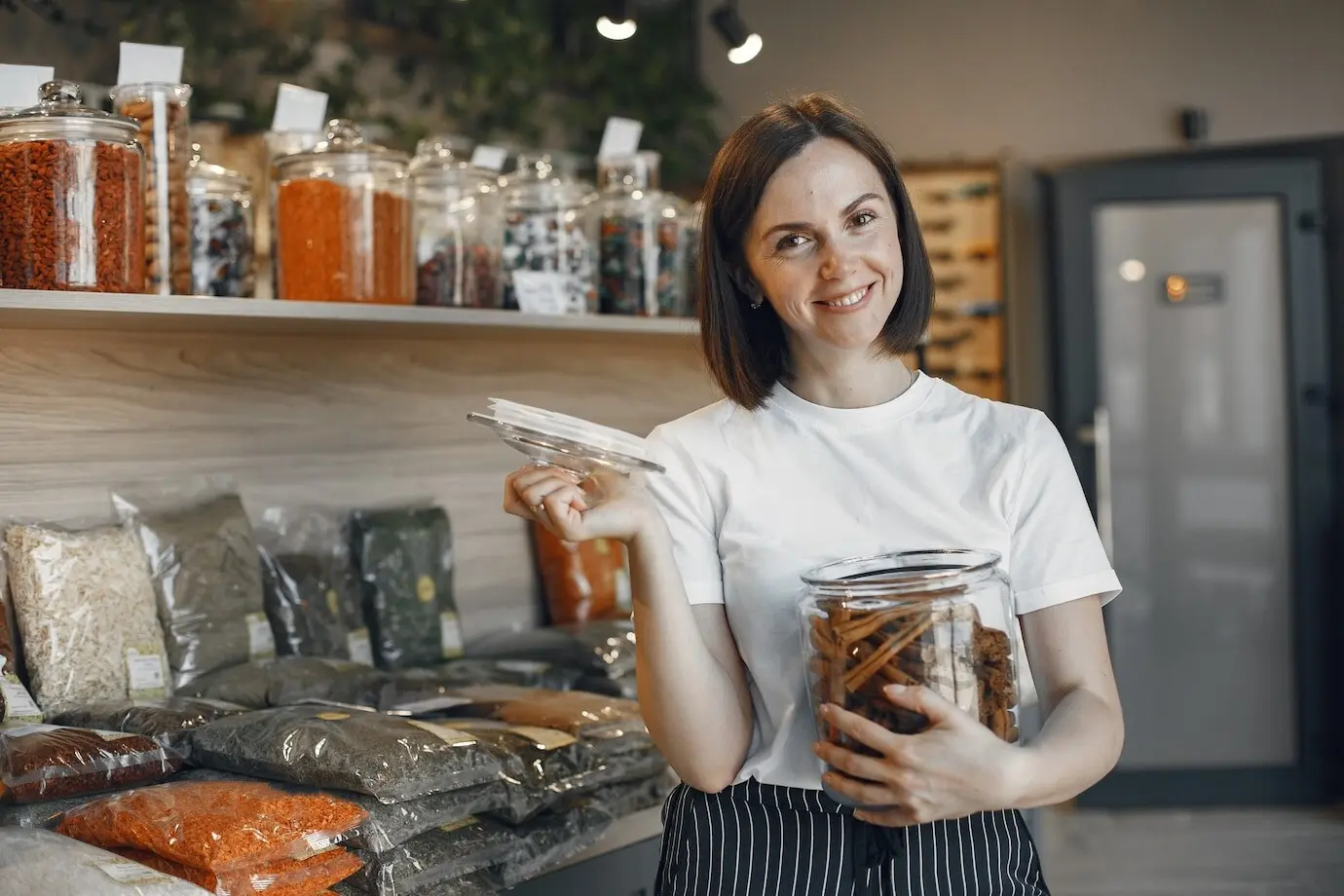
Bulk bins can be your friend if you approach them with clean containers, a quick glance at allergy notices, and a habit of noting the product code before filling. Scoop slowly to avoid spills, keep lids fully closed, and leave space for weighing accuracy. If you’re unsure about freshness or rotation, ask staff how often bins are topped up. Bring a sticky note or phone photo for codes, and compare unit prices; you’ll learn where buying exact amounts beats big packages and where sealed bags still serve a purpose.

Weighing Jars Without Worry

Tare weight is simply your empty container’s weight, and most stores support it happily. Stop by customer service or a scale first, ask for a tare sticker, and take a clear phone photo as backup. If a cashier looks puzzled, stay friendly—procedures vary by location. Consider pre-labeling jars with permanent tare for speed. When lines are long, a calm explanation helps everyone learn. Over time, the routine feels natural, like remembering your keys. Bonus tip: pack one extra lightweight bag in case you spot an unplanned bulk gem.

Mapping Refill Stations

Refill stations for dish soap, laundry concentrate, hand wash, and even shampoo often hide near cleaning supplies or tucked by customer service. Explore slowly, ask staff what’s new, and note brand return programs with bottle deposits. Track locations in your notes app, and organize by product type so you can refill strategically rather than carry everything at once. If your store lacks options, check nearby co-ops or farmer’s markets. Share your discovered spots with readers in the comments—crowdsourced maps help everyone refill more and throw away less.

Grains That Travel Light

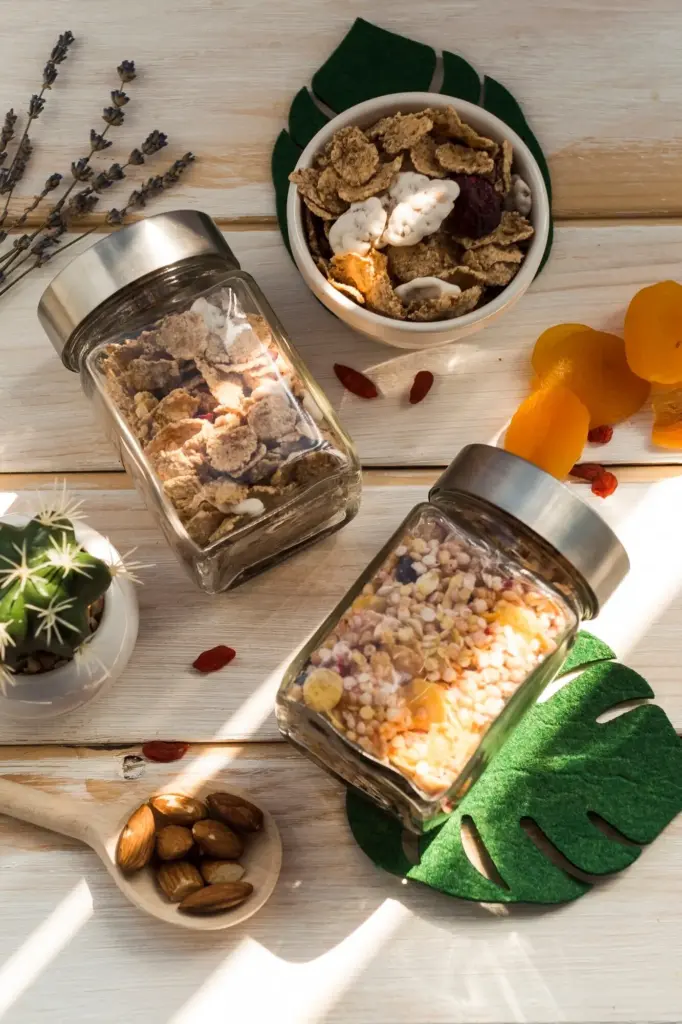
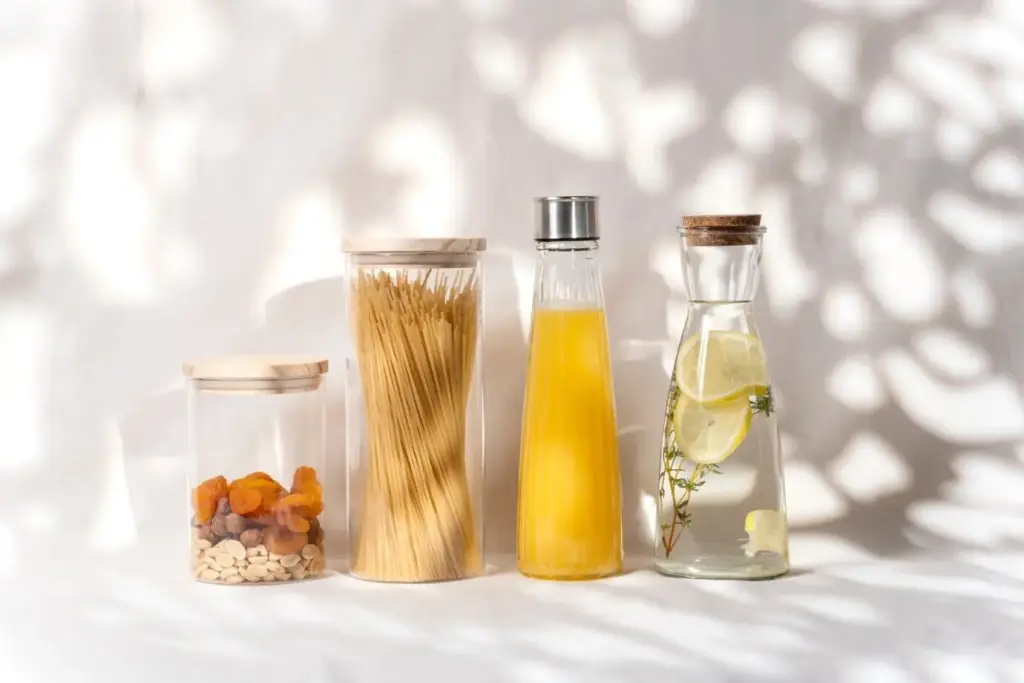
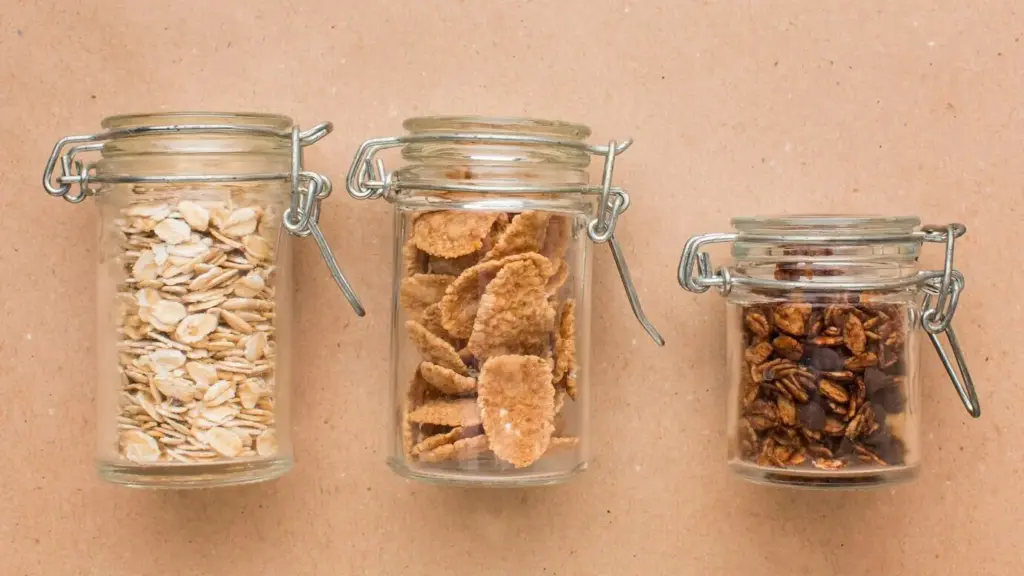
Grains like jasmine rice, steel-cut oats, and bulgur often appear in bulk with helpful rotation, letting you test textures without committing to large packages. Store in glass with tight lids to preserve aroma and keep pests away. Label with cook times and ratios so weeknights stay simple. Compare unit prices and quality; sometimes local mills or co-ops carry fresher options. If you’re new to measuring, scoop slowly and shake the jar gently to settle contents for accurate weight. Share your best grain-to-recipe discovery for others to try.

Spices in Reusable Cycles

Spices and herbs can be dramatically cheaper by weight, and buying small amounts preserves flavor. Refill mini jars, date each label, and plan to grind whole seeds when possible for peak aroma. Check for allergen signage and avoid cross-contact by using clean scoops. If strength varies, adjust recipes gradually and taste as you go. Many refilleries rotate interesting blends—perfect for low-risk experimentation. Ask staff about sourcing and grind size for stews versus baking. Share your clever jar-upcycling idea or a spice blend that transformed a budget-friendly meal.

Fresh Produce Without Plastic

Choosing Loose and Local

Buying loose lets you inspect ripeness, choose exact counts, and skip excess packaging altogether. Local produce often arrives with fewer layers, shorter transport, and brighter flavors that encourage cooking everything you bring home. Talk to farmers at markets about storage tips and varieties you’ve never tried; they love sharing stories behind each harvest. When possible, buy in-season for better price-to-freshness ratios. If loose options seem limited, politely ask staff whether they can break open a bag for single-item sales. Share your favorite local crop and preparation method.

Mesh Bags That Last

A durable set of mesh produce bags can replace thousands of thin plastic ones over time. Choose sturdy stitching, note tare weights on tags, and wash bags regularly to keep them fresh. Natural fibers feel great but may shrink; synthetic meshes are light yet can shed microfibers, so wash thoughtfully. Repair small tears to extend life, and keep one folded in each jacket or backpack. If your store requires visibility at checkout, transparent mesh helps. Tell us which brands or DIY solutions you trust, and how many years yours have lasted.

Storing Greens the Low-Waste Way

Crisp greens reward a little attention. Wrap washed leaves in a barely damp cloth, store inside a container with airflow, and revive wilting herbs by trimming stems and standing them in a jar of water like flowers. Avoid sealing moisture-heavy leaves in airtight bags; they can suffocate quickly. Learn your fridge’s colder zones, and separate ethylene-sensitive produce from ripening fruits. When leftovers linger, blend stems into pesto or soups before they spoil. Share your favorite save-from-wilting trick, and inspire someone to enjoy every last leaf without plastic clamshells.

Bathroom Swaps That Truly Stick

Compact, concentrated formats can replace a surprising amount of bathroom plastic. Solid shampoo and conditioner bars travel easily, last longer than expected, and skip pump bottles entirely. Toothpaste tablets beat tiny tubes for trips. Safety razors reduce cartridges, and refillable deodorants cut clunky plastic shells. Learn storage tricks that keep bars dry and effective, plus gentle ways to transition sensitive scalps or skin. We’ll share small wins and stumbles from real households—so you can choose upgrades that fit personal routines and feel good week after week.

Cleaning Up the Cleaning Aisle

Refillable concentrates and dissolvable tablets slash shipping water and container bulk, making routine chores easier to stock and store. Pair sturdy spray bottles with clear dilution labels, and keep a child-safe cabinet for bulk refills. Choose unscented bases and add essential oils cautiously if household members have sensitivities. Compare unit costs; many concentrates deliver excellent value per liter. We’ll share simple, effective combinations that minimize clutter and maximize results. Post your favorite refill brand and any tips for convincing hesitant roommates that small changes make an obvious difference.

Clever Checkout and Community

Receipts, Rewards, and Refills

Electronic receipts cut clutter and reduce exposure to thermal coatings, while keeping purchase data handy. Use spreadsheets or note apps to track unit prices, refill intervals, and savings compared to single-use packaging. Apply rewards toward bulk-friendly containers, mesh bags, or airtight lids. If a program offers multipliers on specific categories, time refills accordingly. Decline unnecessary coupon printouts, and share feedback requesting digital versions. Tell us which store programs help you save most effectively and how you’ve redirected those savings into longer-lasting tools that support low-waste shopping habits.

Talking to Store Managers

Electronic receipts cut clutter and reduce exposure to thermal coatings, while keeping purchase data handy. Use spreadsheets or note apps to track unit prices, refill intervals, and savings compared to single-use packaging. Apply rewards toward bulk-friendly containers, mesh bags, or airtight lids. If a program offers multipliers on specific categories, time refills accordingly. Decline unnecessary coupon printouts, and share feedback requesting digital versions. Tell us which store programs help you save most effectively and how you’ve redirected those savings into longer-lasting tools that support low-waste shopping habits.

Sharing Finds with Neighbors

Electronic receipts cut clutter and reduce exposure to thermal coatings, while keeping purchase data handy. Use spreadsheets or note apps to track unit prices, refill intervals, and savings compared to single-use packaging. Apply rewards toward bulk-friendly containers, mesh bags, or airtight lids. If a program offers multipliers on specific categories, time refills accordingly. Decline unnecessary coupon printouts, and share feedback requesting digital versions. Tell us which store programs help you save most effectively and how you’ve redirected those savings into longer-lasting tools that support low-waste shopping habits.

Kexuzuvezipilaxevixe
Privacy Overview

This website uses cookies so that we can provide you with the best user experience possible. Cookie information is stored in your browser and performs functions such as recognising you when you return to our website and helping our team to understand which sections of the website you find most interesting and useful.