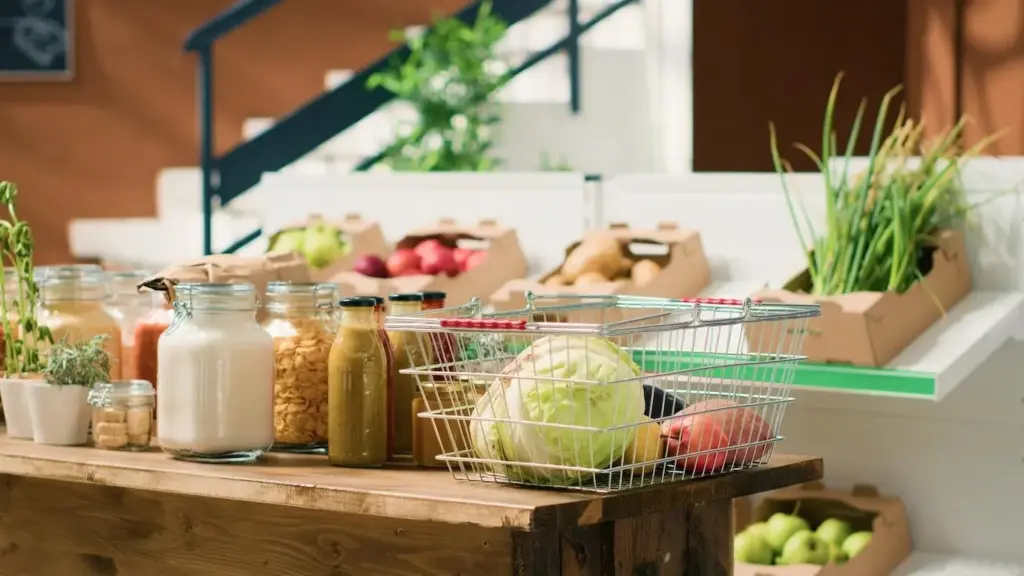
Your Cart, Reimagined: From Farm Crate to Cleaning Caddy

Today we’re building a zero-waste grocery list by section—produce, pantry, and cleaning—so every choice respects your budget, time, and the planet. Expect practical lists, refill strategies, and storage hacks, plus honest stories about wins and missteps. Jump in, share your tips, and help shape our next shopping guide together.

Start with Purpose, Not Packaging

Before adding a single item, define what waste-free means for your household and constraints. We’ll align convenience with values, cut confusion at the shelf, and set a repeatable process that reduces trash, saves money, and makes grocery time calmer, quicker, and more satisfying. Globally, about one-third of food is wasted; small, consistent list decisions help change that pattern at home.

01

Define your north star

Describe why you want a zero-waste list in one sentence, then translate it into three practical rules you can actually keep. For example: buy unpackaged first, refill second, recycle last. Clear constraints reduce decision fatigue and make weekly shopping feel purposeful, not performative.

02

Audit what you already own

Open your fridge, pantry, and cleaning cabinet before you plan anything. Note duplicates, forgotten jars, and expiring produce. Build your list around what must be used first, preventing unnecessary purchases. This ten-minute habit prevents waste, frees space, and protects your budget every single week.

03

Assemble a reusables toolkit

Keep lightweight jars, cloth produce bags, a few silicone pouches, and a collapsible box near the door. Add a grease pencil for labeling. When gear is prepped and visible, you automatically choose smarter refill options, skip plastic, and breeze through bulk and deli counters confidently.

Seasonal swaps that simplify decisions
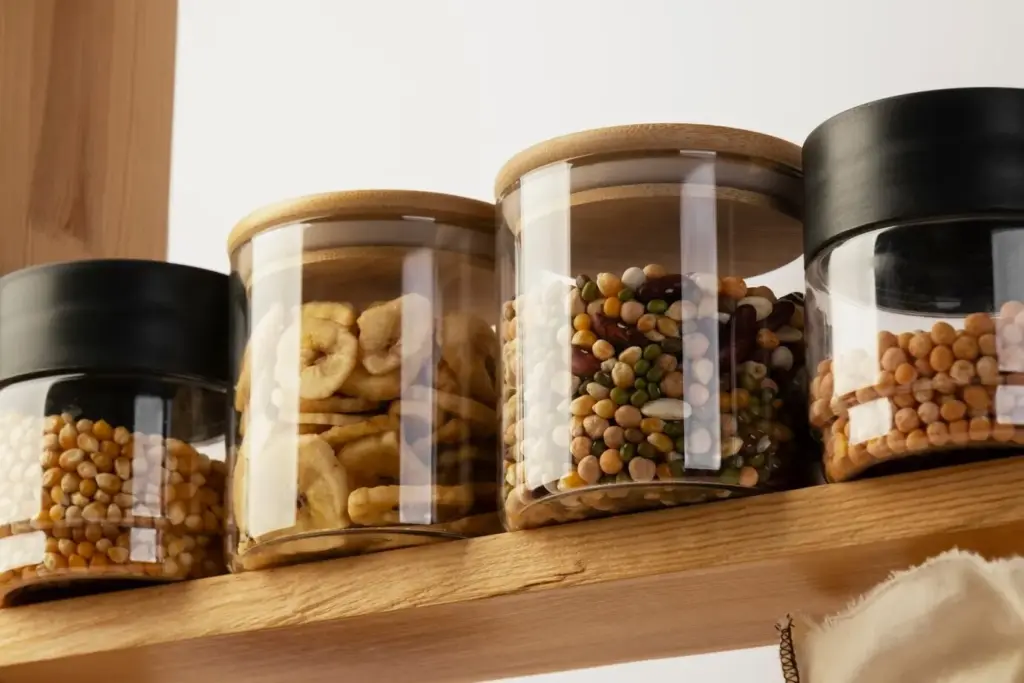
Shop what your region grows now: hardy winter roots, spring greens, summer stone fruit, autumn brassicas. If strawberries arrive wrapped, pivot to loose apples or citrus instead. Seasonal flexibility lowers packaging, saves money, and often tastes better because produce traveled less and was picked riper.

Storage that extends life

Wrap herbs in a damp towel, keep leafy greens in breathable bags, and store ethylene producers like apples away from sensitive produce. Learn which vegetables prefer water, darkness, or vented containers. Smart storage transforms hurried midweek cooking because ingredients remain vibrant, forgiving, and reliably delicious.

Love the odd and overlooked

Choose seconds, slightly scarred fruits, and broccoli stems for slaws. Ask for carrot tops, fennel fronds, or beet greens that others discard. These often cost less, cook beautifully, and turn into pestos, soups, and sautés that stretch meals while honoring farmers’ full harvests.

Pantry: Bulk, Basics, and Better Habits

Pantry planning centers on versatile staples in refillable containers. We will prioritize bulk bins, local refill shops, and returnable packaging while tracking quantities to prevent stale grains and forgotten legumes. The result is quick meals, less plastic, and shelves that always signal exactly what to buy next.

Bulk math that saves money and plastic

Bring containers pre-weighed (tare recorded), then compare price per ounce with packaged versions. Start with high-rotation items like rice, oats, and nuts. Buying only what you need protects freshness, your wallet, and the planet, and it reduces those mysterious back-shelf bags you never finish.

Spices, oils, and sticky stuff without the mess

Ask about refill valves or funnels; line jar rims with a silicone ring; keep a small spatula for honey and tahini. Label lids, not just sides, to spot refills at a glance. Small rituals prevent spills, cross-contamination, and wasted, pricey ingredients.

Label once, waste never

Write product, date, source, and cooking time on each jar. Snap a phone photo of shelves weekly to sync with your list. Knowing what you have eliminates duplicates, shortens trips, and transforms late dinners into calm, confident assemblies from dependable staples.

Cleaning: Sparkle without Single-Use

One concentrate, many jobs

Choose a biodegradable concentrate you can dilute for glass, counters, floors, and bathrooms. Pair with reusable spray bottles and clear dilution labels. You carry less, spend less, and avoid collecting half-empty products that promise miracles yet mostly deliver perfume, plastic, and clutter.

Refill routines you’ll actually keep

Mark a small calendar square for monthly refills; store concentrate near the sink; keep a funnel in the same bin. Frictionless setups become automatic. When bottles never run dry, you stop panic-buying plastic and keep cleaning gentle, consistent, and refreshingly uneventful.

Cloths, brushes, and care that lasts

Choose cellulose sponges, wood-handled brushes with replaceable heads, and lint-free cloths. Wash on cool, line-dry, and sun-bleach when possible. Repair loose bristles and retire worn cloths to garage duty. Gentle maintenance keeps tools effective for years, reducing costs and avoiding microplastic shedding.

Plan, Cook, and Track to Prevent Waste Before It Starts

A thoughtful list works best alongside meal planning and light tracking. We will map servings to schedules, build leftovers into tomorrow’s meals, and keep a tiny log of what spoils. Over time, patterns appear, lists sharpen, and your kitchen becomes remarkably predictable and kind.

Navigate the Store by Section with Confidence

A section-by-section path prevents impulse buys and forgotten essentials. Start with produce to anchor meals, move to pantry refills, then finish with cleaning supplies. You’ll handle fragile items carefully, keep cold goods cold, and leave feeling organized, relaxed, and fully aligned with your intentions.

Make It Social, Measurable, and Sustainable
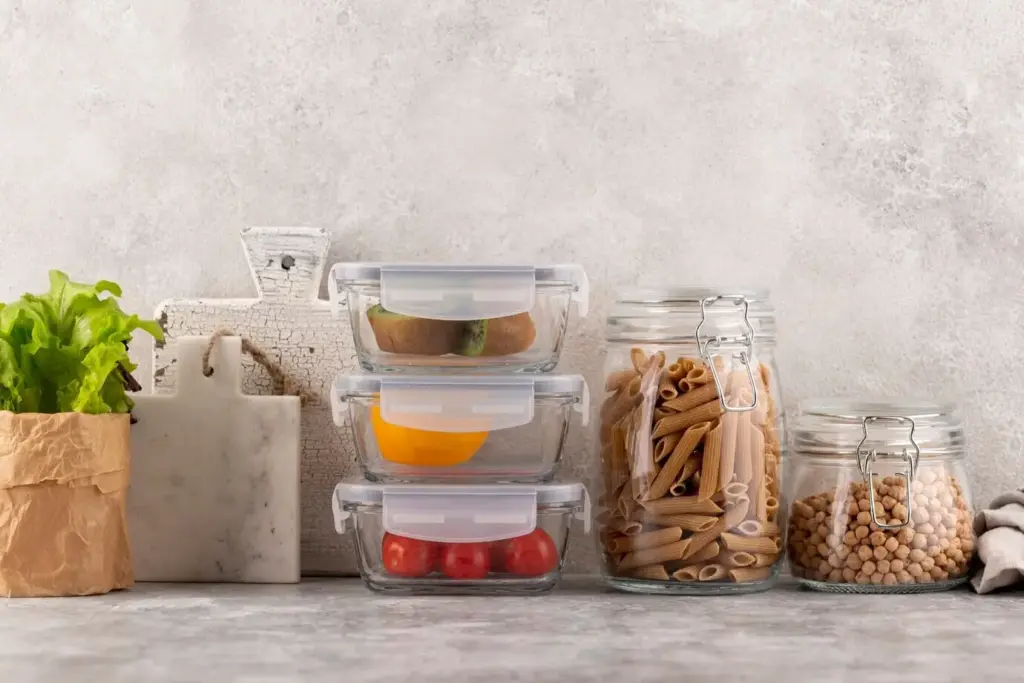
Change sticks when it feels rewarding and shared. Track money saved, waste reduced, and meals rescued. Trade tips in comments, join a refill group, or invite a neighbor on a bulk run. Small wins compound into habits that reshape routines and inspire your community.

Budgets and small wins

Set a gentle baseline and celebrate every reusable, from one jar to ten. Compare monthly receipts against last season. Redirect savings toward quality staples or a durable tool that replaces disposables. Share your milestones to help others see practical, encouraging progress, not pressure.

Kids and roommates on board

Give simple jobs: washing jars, weighing containers, or designing labels. Let them pick one bulk snack each trip. When everyone participates, systems survive busy weeks, and shared ownership reduces friction, fosters pride, and turns low-waste shopping into a fun, collaborative household ritual.
Kexuzuvezipilaxevixe
Privacy Overview

This website uses cookies so that we can provide you with the best user experience possible. Cookie information is stored in your browser and performs functions such as recognising you when you return to our website and helping our team to understand which sections of the website you find most interesting and useful.